In Plain Terms
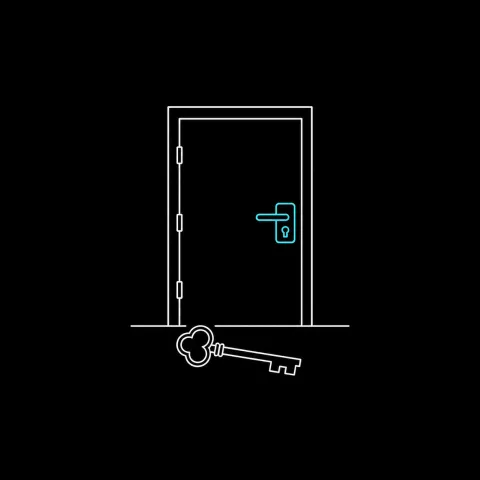
Think of every door in a large building, and of a master key, still being made in a workshop, that will open them all. Post-quantum cryptography is a new kind of lock. The master key does not fit it, and it goes on the doors already in place. The lock image leaves out one thing. A lock protects a room from the day it is fitted, while encryption also covers messages sent in the past. Those messages may have been copied and stored, and they will open once the key is finished.
What It Changes for a Business
The switch now has dates, and they do not depend on when a quantum computer arrives. In its final plan of 27 October 2026, NIST says it will phase out today's methods after 2030 and stop allowing them after 2035. The UK has set 2035 for a complete change. The EU wants its most sensitive systems moved by the end of 2030.
The first obstacle is closer to home. Most organisations do not know where all their encryption sits. It hides in their own software and in the products their suppliers deliver. Finding it is the first piece of work, and it can start now.
What People Get Wrong
The name suggests that you need a quantum computer to use it. Post-quantum cryptography is ordinary software. It runs on the computers and phones already in use, and it usually arrives as an update.
Where It Stands Today
The standards are written. In March 2025, NIST added a backup built on different mathematics, so that a flaw in one method cannot bring down the whole set. What remains is fitting the new locks, door by door, across every system and supplier. That work takes years, and the deadlines leave about a decade for it.
Related Terms
Shor's algorithm · Q-Day · Quantum computer · Qubit